Founder Information
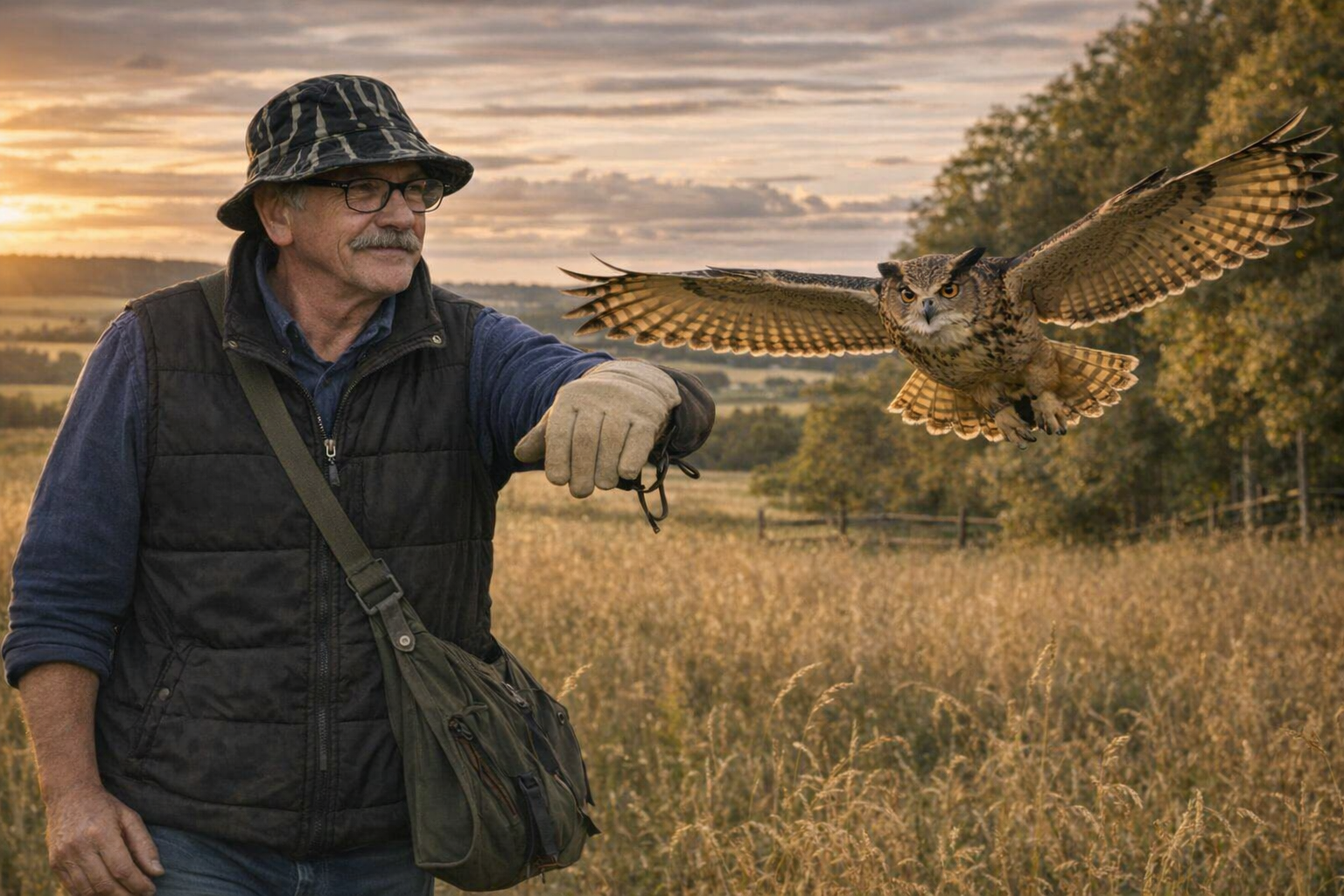
About Founder Colin Sutherland
In My Own Words, please take a few moments of time to read on further.
My Origins.
I’ve chosen to write my own profile—because who better to share the journey than the one who’s lived it? I hope that as you read on, you’ll come to understand not just what I do, but why I do it.
I’m a proud Geordie, born in Newcastle upon Tyne, with a lifelong interest, passion for and hands on experience with owls and birds of prey., with every situation and every bird different, through these experiences.
These magnificent creatures have shaped my life in ways I could never have imagined, so as you can imagine, my work with them isn’t just about care—it’s about connection and purpose.
Over the years, I’ve developed a series of innovative schemes that supports people living with dementia and other life skill challenges through theses unique birds, programmes designed to spark memory, build confidence, and foster meaningful engagement—bringing joy and dignity to those who need it most.


My Approach To This Work
My approach to rescuing and rehabilitating owls and birds of prey is highly specialised, hands-on, and uncompromising in its ethics.
Every bird is treated as an individual, and euthanasia is always a last resort — never a convenience.
I prioritise immediate needs like water, appropriate food, and a calm environment, followed by a thorough assessment to develop a tailored recovery plan for each bird, visa versa.
This work goes far beyond basic care. I’ve devised custom recovery formulas, developed prosthetics and adaptive equipment for injured birds and over many years have devised methods to treat infections like bumblefoot. I’ve also significantly reduced mortality in birds that have been shot or poisoned — cases many would consider hopeless. I’m proud to say that these innovations have saved countless birds lives.
Whenever possible, wild birds are returned to their natural habitats — fully rehabilitated and ready to thrive. and for those unable to survive independently, I provide ethical rehoming solutions.
Captive owls and birds of prey are given the same priority and respect as wild ones. If a recovered bird belongs to an owner, I ensure it receives the highest standard of care before being returned.
Activity birds — those trained for care homes or companionship roles — receive individual attention and special training.
What You See Is What You Get
When it comes to owls, birds of prey, and my life, my approach is honest, no-nonsense, and unapologetically direct. What you see is what you get. I don’t sugar-coat the truth or tell people what they want to hear — to do otherwise, would be dishonest, and that helps no one.
Most people find this refreshing, and over the years, it’s earned me genuine respect. Of course, there are always a few who prefer a “yes man.” I’m not that person — and never will be.
I’ve associated with people from all walks of life — from royalty and high-net-worth individuals to grassroots communities and those facing hardship, so, regardless of background, I treat everyone with the same integrity. I prioritise truth over appeasement, especially when it comes to the welfare of the birds I work with and the values I stand for. If that means ruffling feathers, so be it.
One moment that’s always stayed with me happened while flying falcons in Newmarket. A wealthy gentleman from the Middle East turned to me and said, “I wish the people around me were as straightforward as you.” I replied simply, “Then don’t hire people who only tell you what they think you want to hear.” He took that to heart — and stopped employing yes men, and still meat the chap, from time to time


Learning From Others and Contributors Along The way.
Although I’ve spent many years working closely with owls and birds of prey, I remain a student of the craft. I keep an open mind to new ideas, fresh methods, and alternative perspectives — no matter where they come from. Wings of Freedom is not just built on experience, but on collaboration. Many contributors have played a vital role in shaping our work, and they deserve recognition.
I’m especially receptive to the ideas of young people. Their imagination and creativity often bring insights that others overlook. In this field — as in life — learning never stops, and the best progress comes when we listen, share, and evolve together.
No Time For Self Appointed Experts and website Influencers.
In today’s media-saturated world, there’s no shortage of self-proclaimed experts and influencers — especially in the environmental space. Many of these individuals parade questionable credentials and speak with unwarranted authority, often armed with degrees from institutions that offer more theory than field-tested wisdom. I have no time for them.
These voices dominate screens and social feeds, offering romanticised views of nature that ignore hard truths. Their commentary often lacks grounding in real-world experience, and their influence can be dangerously misleading. I’ve seen it firsthand — from misguided rewilding schemes to ill-informed species introductions that disrupt delicate eco-systems.
Take the Red Kite, for example. Once a conservation success story, it’s now a cautionary tale. The population has exploded beyond control, with birds scavenging in gardens and feeding on unsuitable scraps. What began as a noble effort has tipped into imbalance — and soon, a major cull may be unavoidable. Yet many still celebrate this as a triumph, blind to the consequences.
I speak plainly because I care deeply. I don’t pander to public opinion or echo what people want to hear. That’s not conservation — that’s theatre. And while some may find my approach blunt, those who value truth over trend recognise its necessity. Nature deserves honesty, not hashtags.
Comments on Owls and Birds of prey.
It is quite staggering the comments l get when out and about or seen with Owls and Birds of prey, when most people are friendly, interesting and want to chat and learn about birds and ny work.
On the other hand, there is a minority of people who seem to become instant experts, although they know nothing about these birds, even throwing abuse.
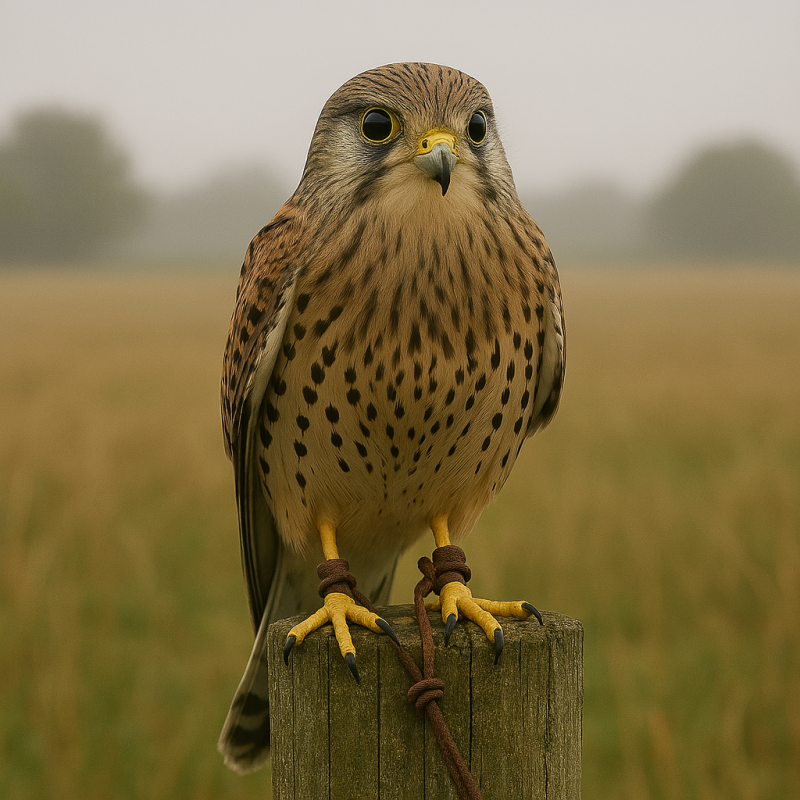
One of the most abusive related comments are that keeping a bird in captivity is cruel, even though the birds l am out with could be a disabled Kestrel or other recovering birds, when in fact birds in captivity are far better looked after, so my response to these people is the same, do not argue or give these people the oxygen for their ignorant views, afterall what would l know, l only have a life times work, helping these birds
My Success Rate, Euthanasia and my Care activities
Year on year l have produced success rates around 85 to 94 % depending on the complexities of birds that l deal with, why, because l will use a range of treatments and methods, even trying new ideas, asking others if necessary, some may say l have decades of experience, so why seek advice from others including vets, to be honest, just because l have experience, there is also others who have new method, as for euthanasia, quite frankly, l did not become a rescuer, just to put birds to sleep, this goes against everything l stand for.
So many years now, when l decided to devise my Owl and Bird of prey care schemes for care homes to help people with all kinds of life skills problems, such as dementia and other problems, there were so many critics, eager to pour scorn, it now gives me such pleasure to see those same people eat their words.
New books out now.
You can now read about our care home birds Doris the Kestrel, Rocky the Barn owl, Larry the Lanner Falcon and others, in these fascination stories, with upto 59% of royalties donated to good works.